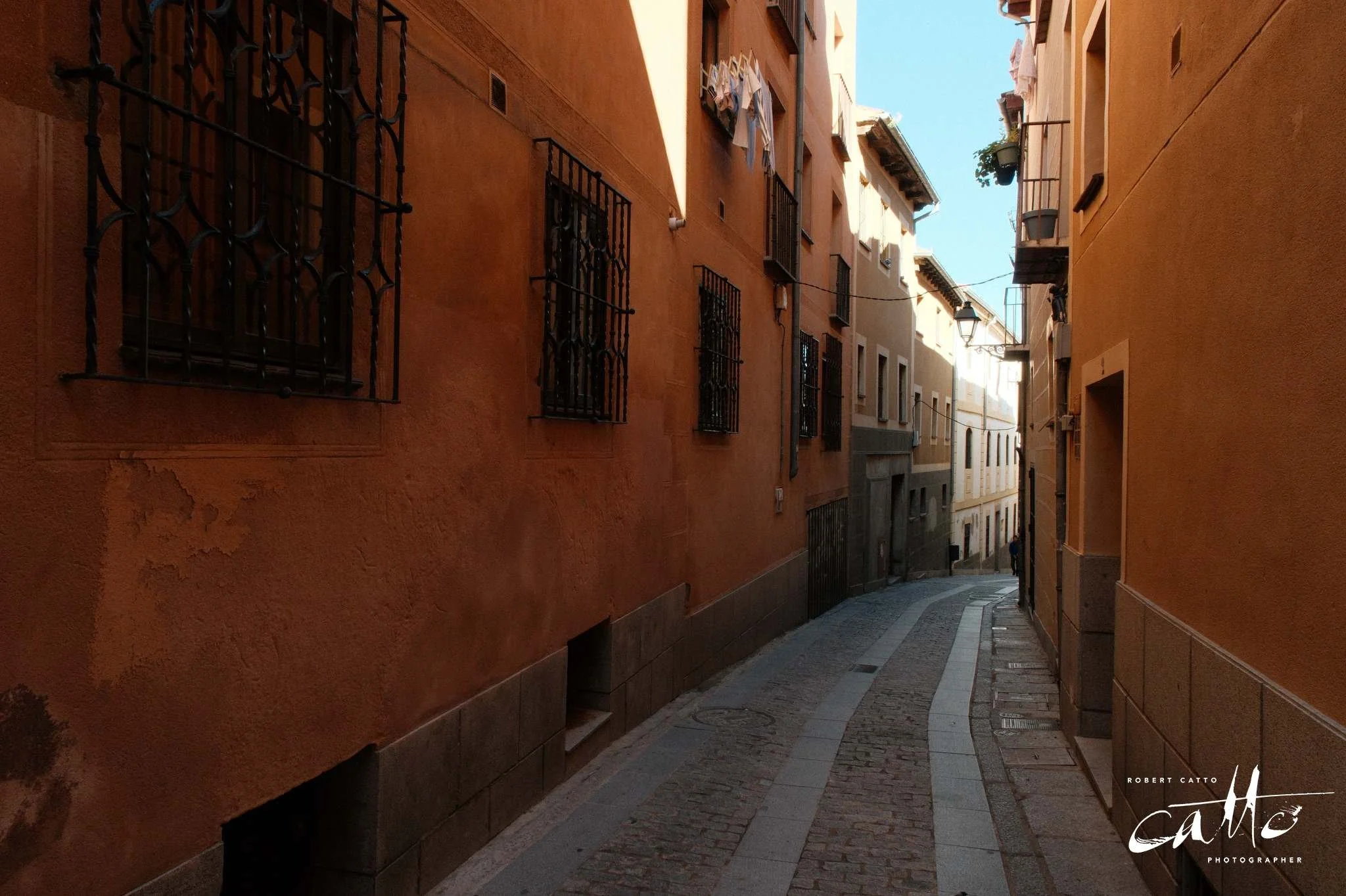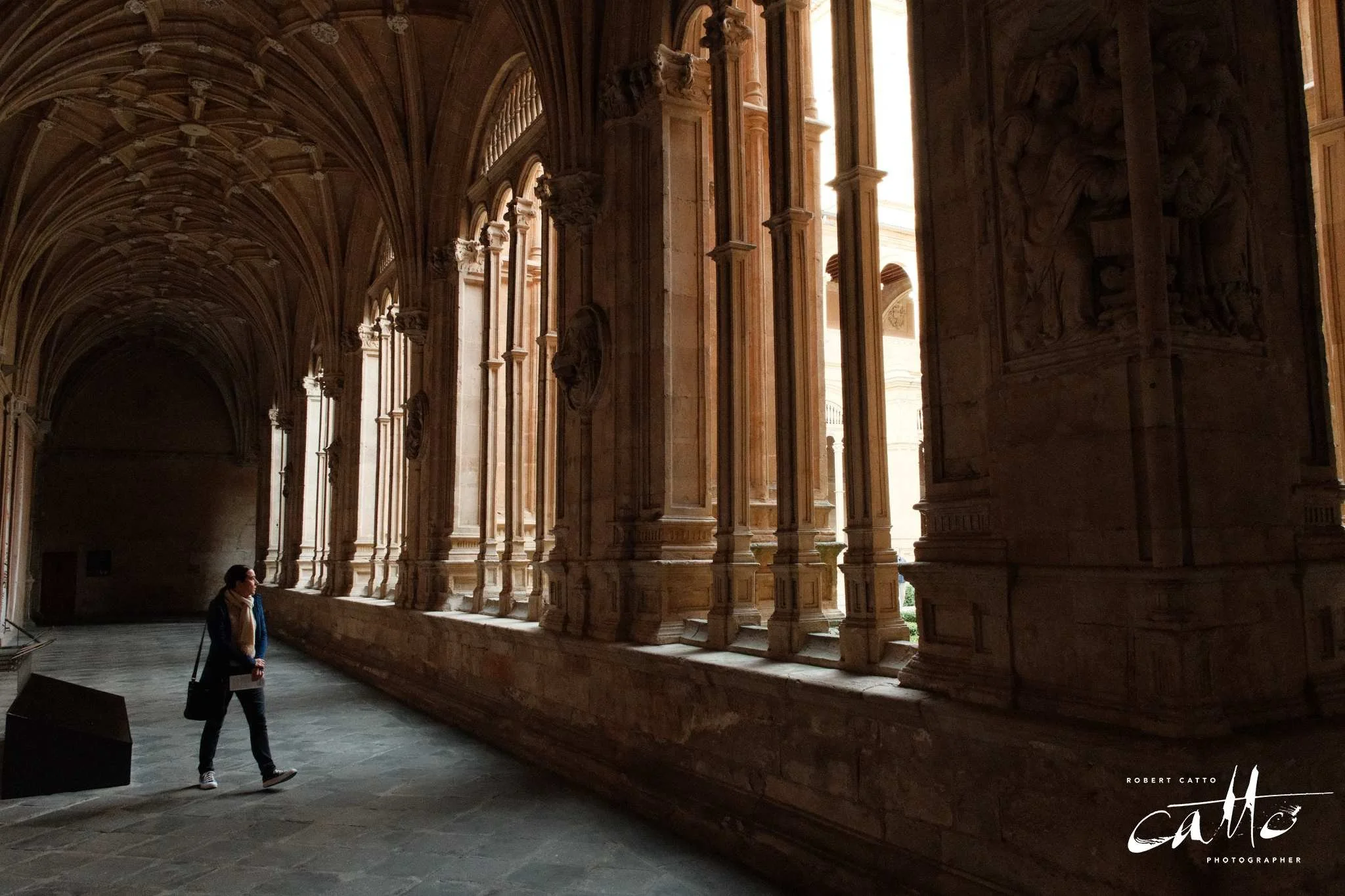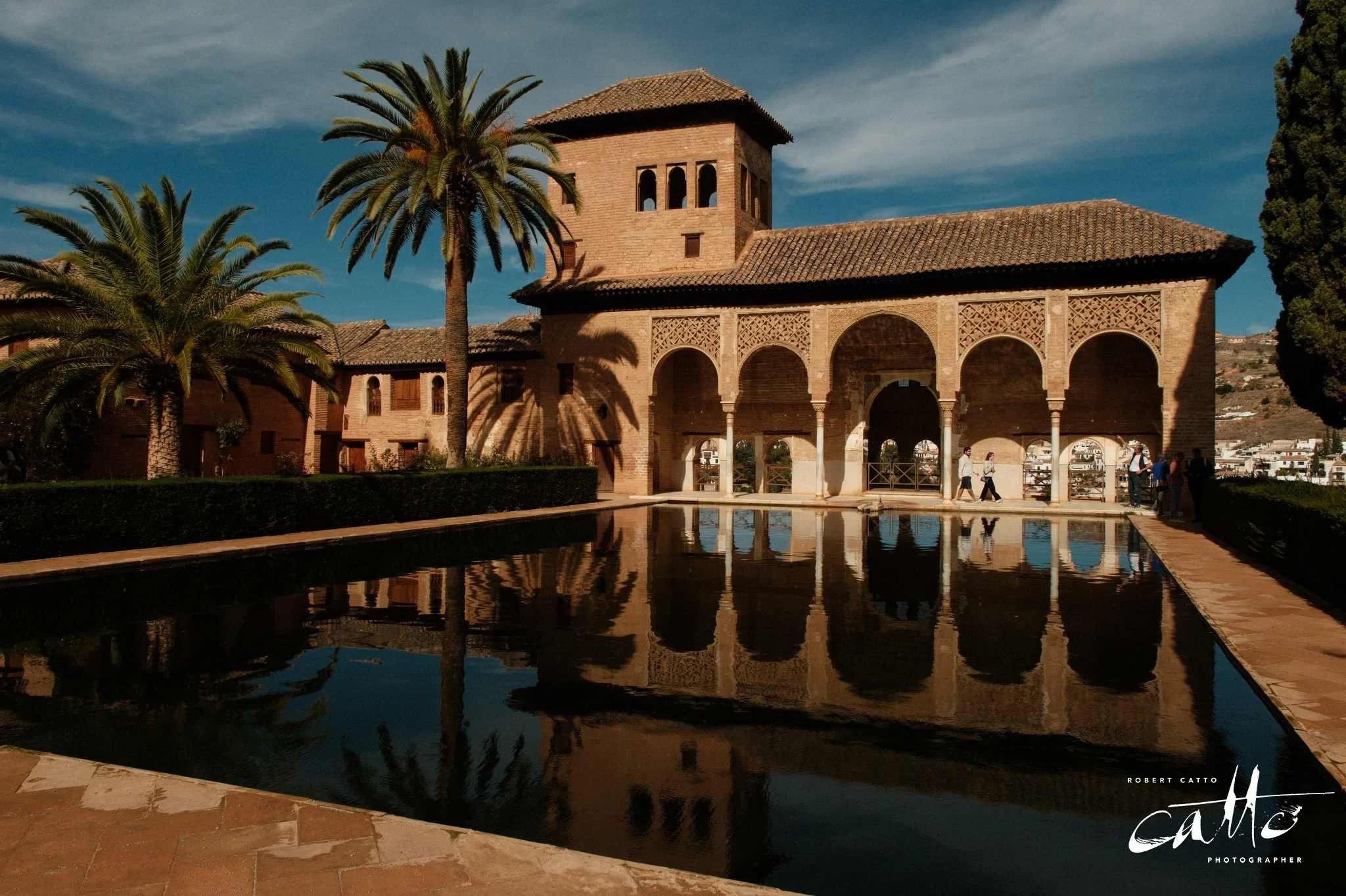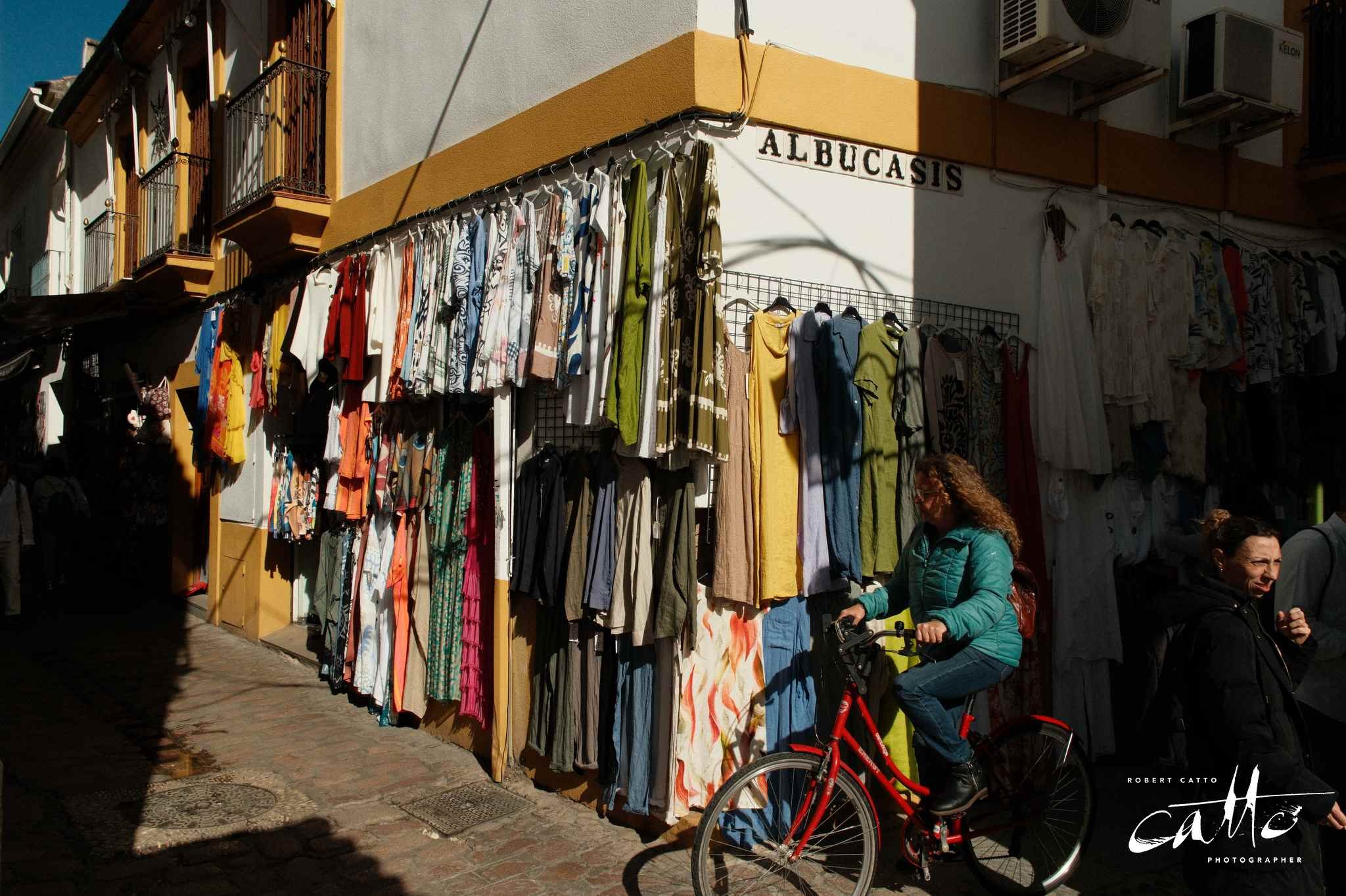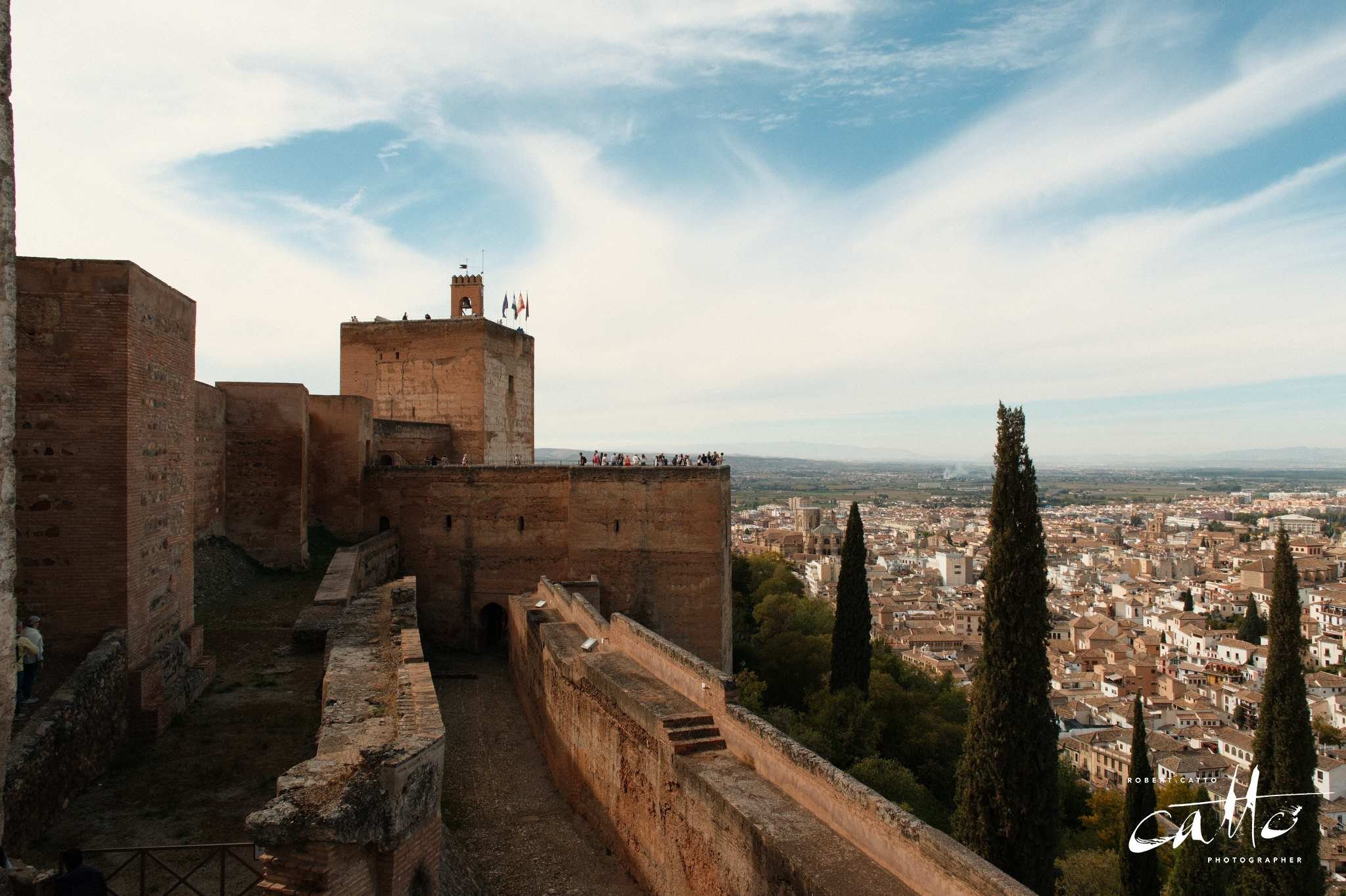
Real World Travel Lens Test: the Sigma 17-40mm f/1.8 Zoom for Fujifilm
[This is a companion piece to my essay at the Kage Collective, also published today.]
It had been nearly twenty years since my last visit to Spain (or indeed Europe) when we went to Madrid last October. On my previous trip, I had carried one camera and two lenses, but that time it was film—a Hasselblad X-Pan II, which meant I was able to take ultra wide panoramic images everywhere I went; which also meant finishing a roll of film twice as fast as usual.
This time, Fuji had recently brought out the GFX100RF with its massive sensor and ability to crop to that same 65:24 ratio, and I really REALLY wanted one. But…for 1/8th the price, I decided to try the Sigma 17-40mm f/1.8 lens on my current Fuji X-H2 body instead, and see what that zoom range and lens speed would let me do, partly as a simulation of the 100RF’s lens and in-camera crop range, but also as an opportunity to test out this lens and see if it might suit my theatre work as well when I got back.
I haven’t owned a Sigma in about twenty years either—I briefly had a 12-24mm zoom lens in about 2005, but it flared wildly whenever there was a light source in the frame—and I’d never tried one of their Art Series before, but I’d heard good things; so when a friend decided not to keep his 17-40mm, I was more than happy to take it off his hands and give it a try on the road. (He does video as well as stills, and preferred other lenses for that.)
What I realised just before we left was that if I turned on the in-camera framing guidelines, specifically the ‘Grid 24 (Detailed)’ setting, that would divide the frame in four vertically; and if I ignored the top & bottom sections, that would get me quite close to the same framing as an X-Pan, whenever I wanted it.
I actually used that quite a lot—those images make up my essay at the Kage Collective site—but I also wanted to test the lens right to the corners, in backlit and high contrast situations, to see how it would handle things on a high resolution sensor like the X-H2; and not to get ahead of myself, but it turns out that it handles them very well indeed, with only a few small quibbles…
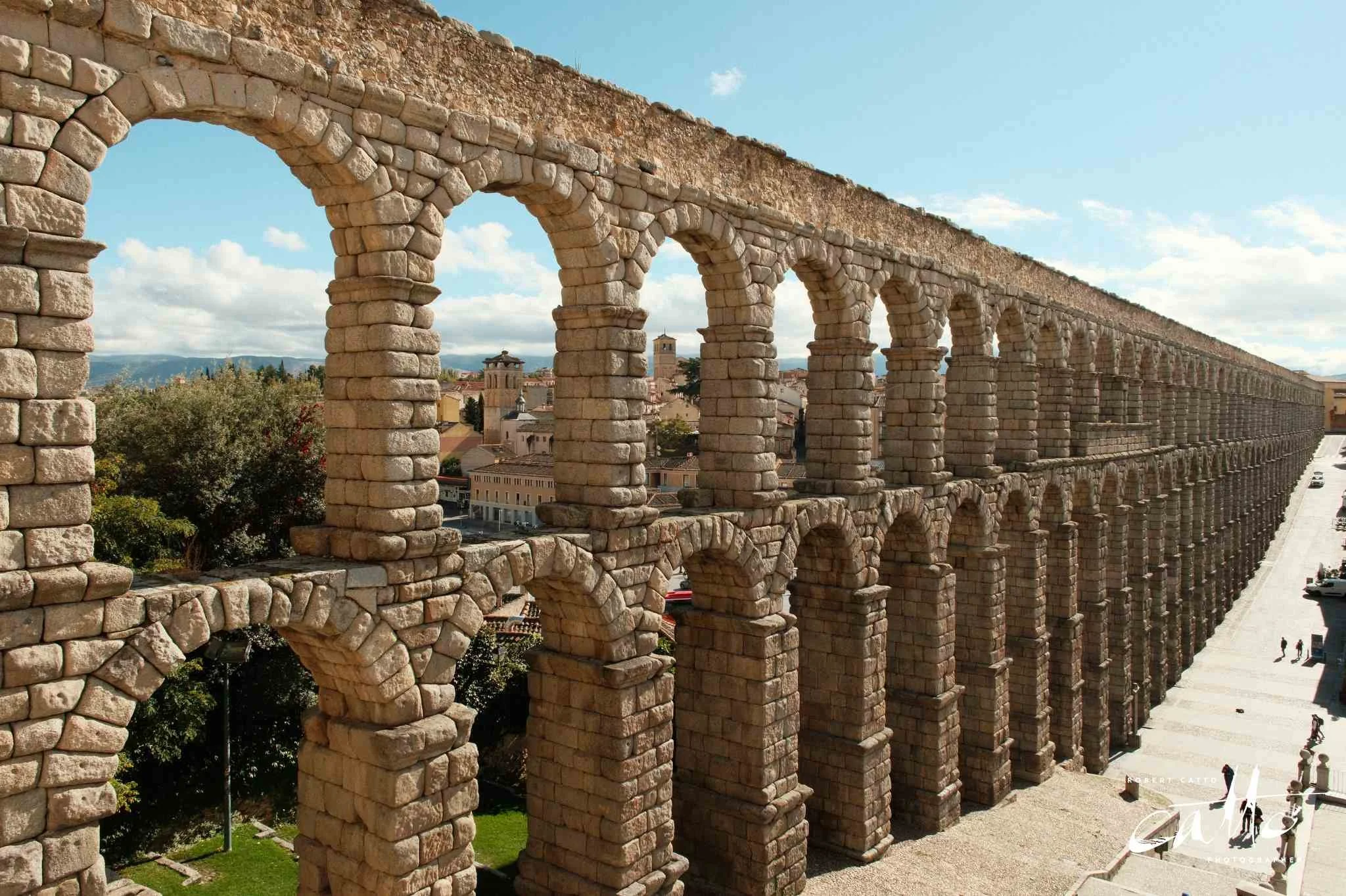
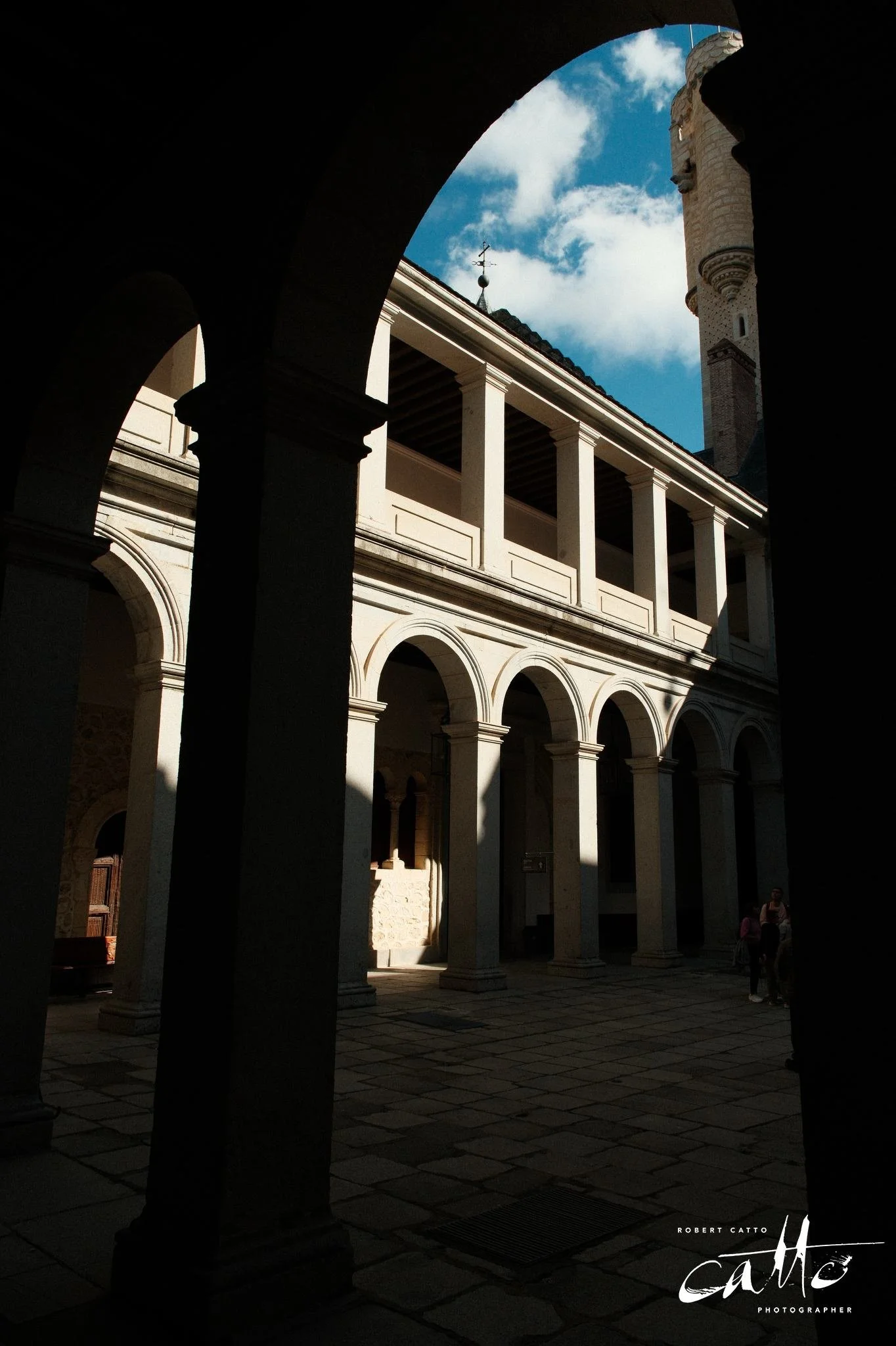
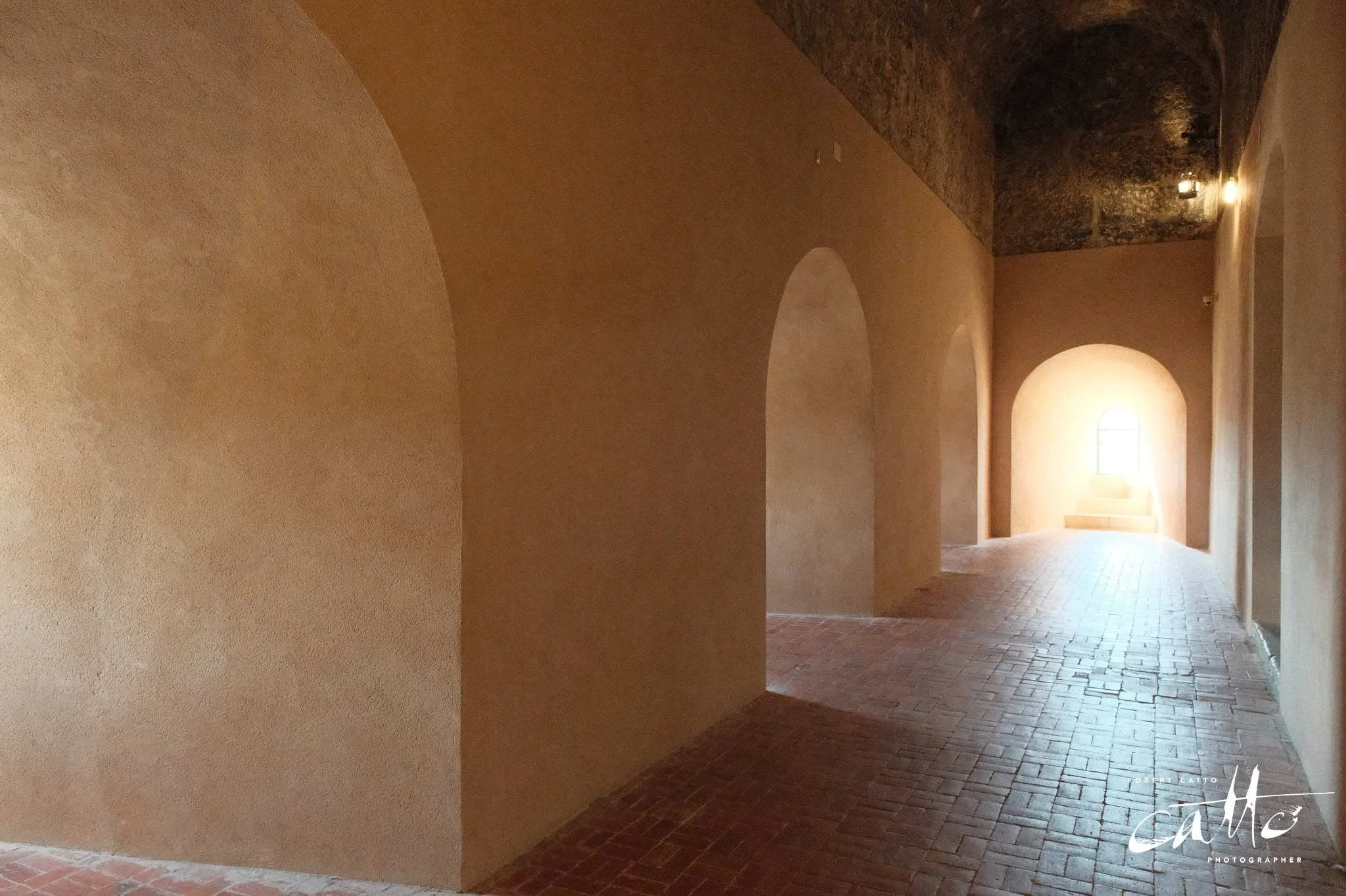
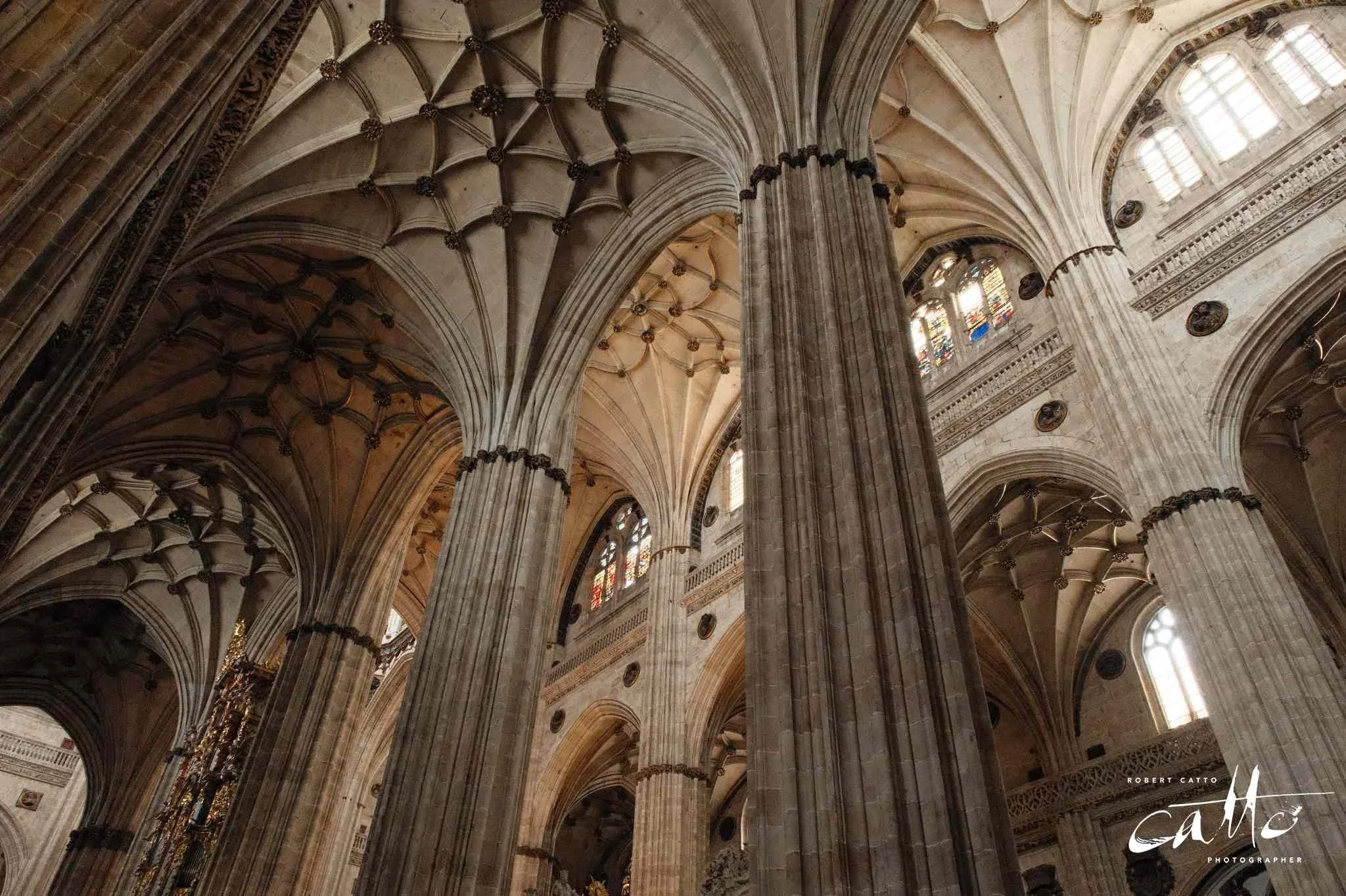
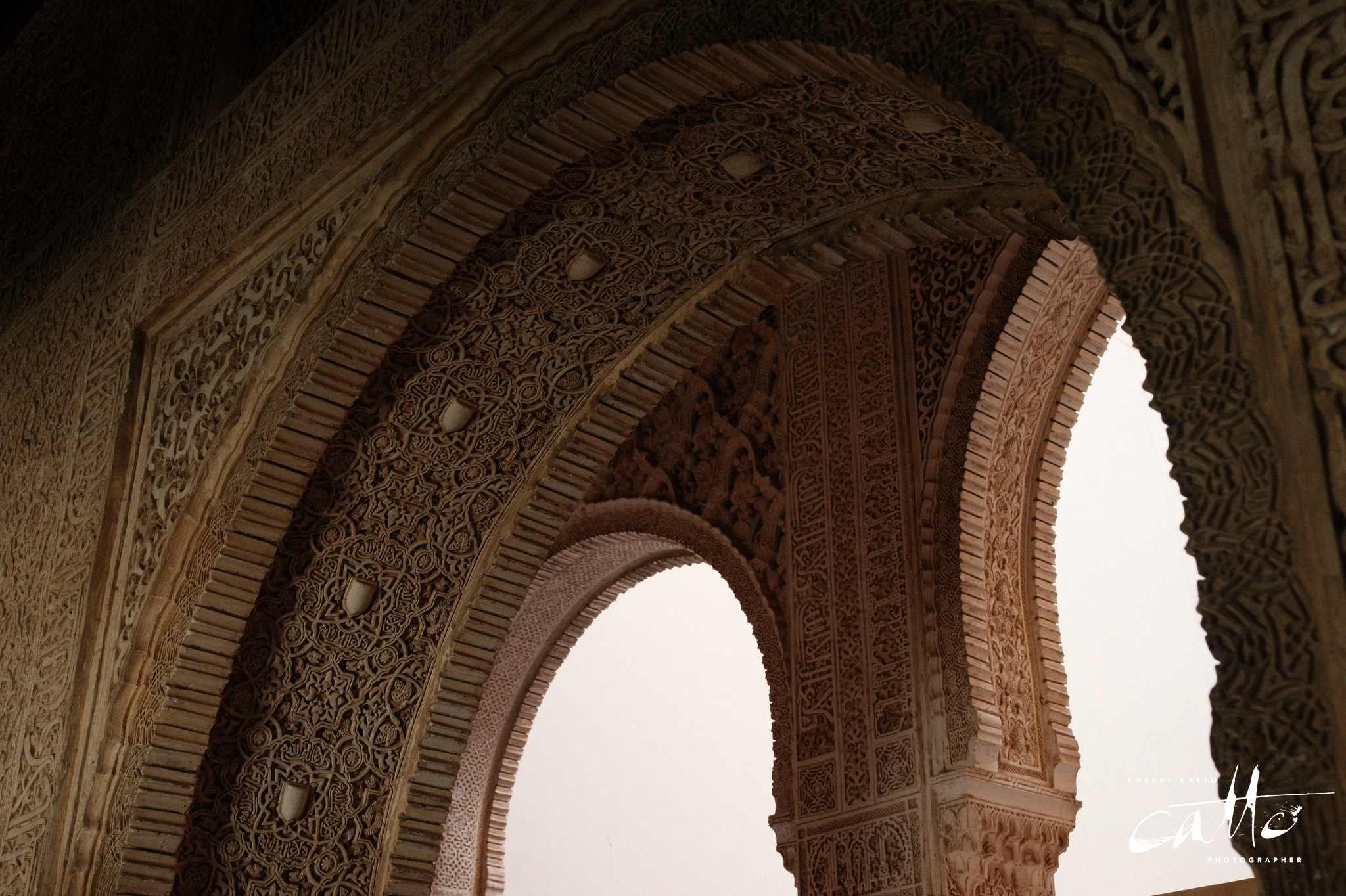

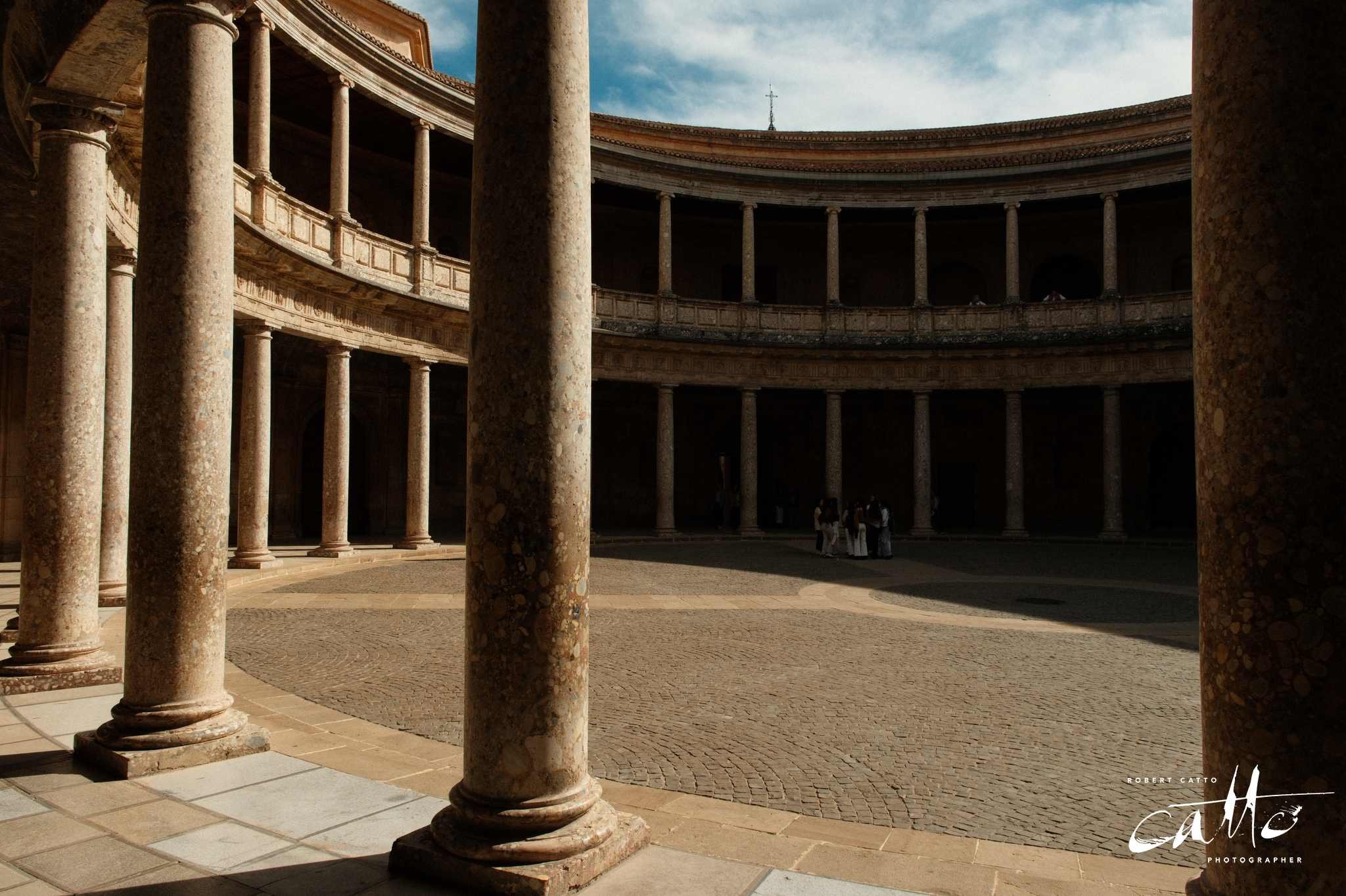
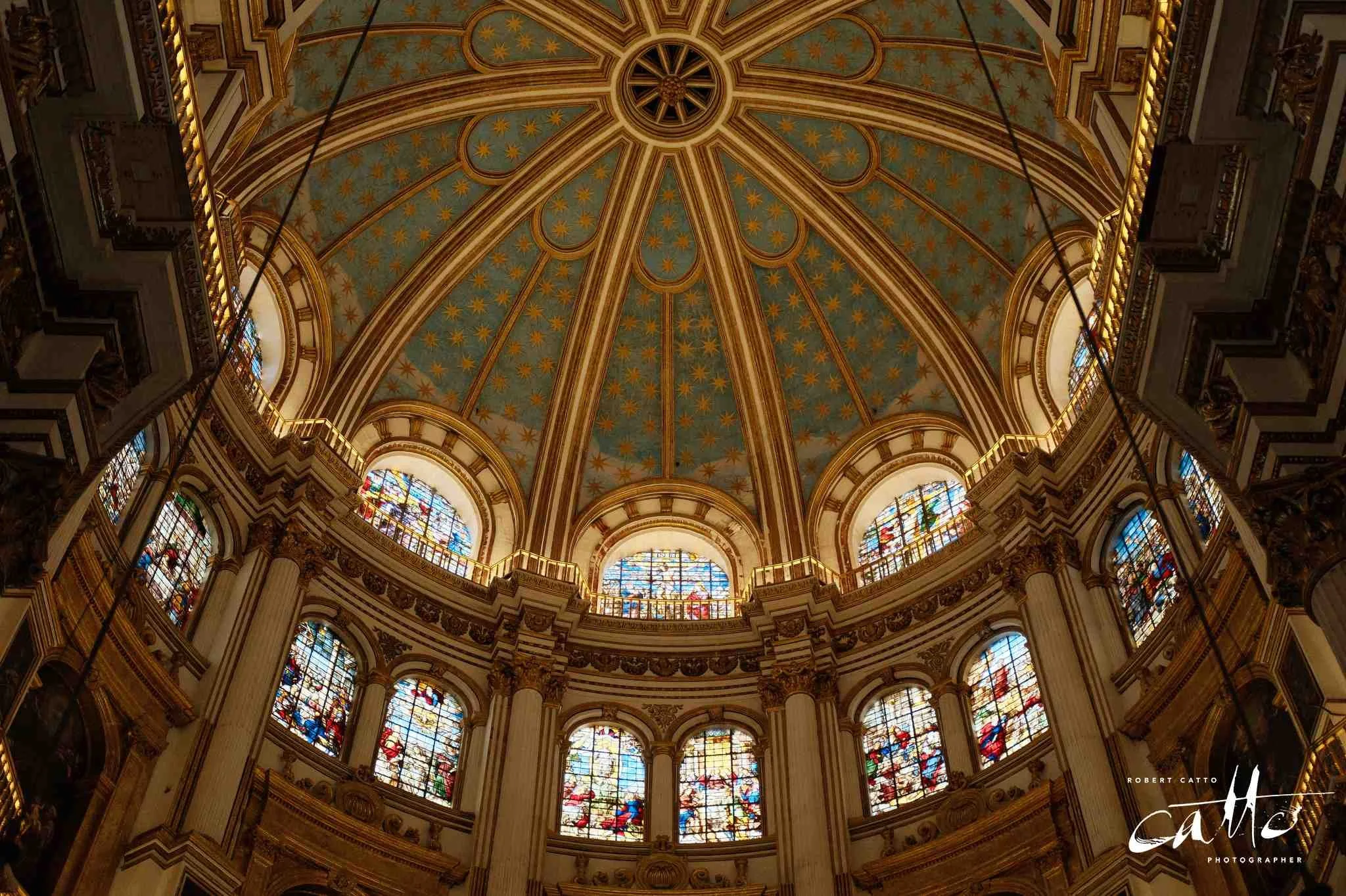

Now, to be clear, I’m not a full time gear reviewer; this is just me using this lens for a particular purpose, and seeing if it’s as good as I’d like it to be. But, let’s just run through a few reviewer-type bullet points:
All these images are in-camera .jpgs (resized for the website, obviously), photographed with the Slide Film 400 recipe found here.
Build quality is excellent, this lens feels extremely well made and much lighter and smaller than the (original, Mark I) Fujifilm 16-55mm f/2.8 I’ve been using since 2018.
Autofocus is snappy and just as I would have expected from using my Fujifilm lenses;
Image quality is very very good. I was expecting it to have obvious faults like flare or fringing in high-contrast out of focus areas, but to my surprise (even when I put the sun directly in the frame) it was very clean and well controlled. I also wondered if the X-H2 sensor would amplify any flaws that were less obvious on lower-density cameras, but it really didn’t seem to happen in any notable way.
It really is like having a prime lens that zooms. Like, it really shouldn’t work as well as it does? But where I’d normally have carried a Fuji 18mm/33mm/56mm/90mm combination on a trip like this, I just took this and the 90mm (which I only used once), and not having to change lenses but still having shallow depth of field available was an absolute treat.
Is it perfect? Of course not. Every lens is a compromise, zooms doubly so—this is just a different set of compromises to the ones Fuji took with their 16-55mm f/2.8. It’s less optically perfect at the extreme corners in specific situations. I have found smearing of detail and green/red fringing in the very corners of images, in low light—and I believe there’s more software correction going on of vignetting, which might account for some of that as well. Fuji’s choices are different, so you wind up with a heavier and larger lens which changes size when it zooms, but is possibly more optically perfect as a result of not using the absolute edges of the glass. But it’s not f/1.8, so you don’t get the same depth of field choices!
Just to be clear, during this trip I wasn’t able to see the issues I described above, those only became apparent later when I was back in a darkened theatre photographing a choir in a large venue, and when I used the Sigma at its widest zoom and brightest aperture with members of the choir in the bottom corner of the frame to see the whole venue, I could see a loss of detail at that point. So, I stopped down, and it was better.
But, again, the overall image quality is VERY VERY GOOD. I would be remiss in not pointing out the issues I did find with the lens; but in real world use, the only time it came up was when I torture-tested it by pointing at a grille with the sun shining behind it, and photographed it wide open at f/1.8 to see if there’d be visible fringing between the bright and dark areas (see right). I’d expect pretty much any lens to struggle in that situation, really!
The main thing was, it did everything I asked of it very well indeed—from cityscapes, to portraits, to artworks, to street photography, I never felt limited by the quality of this lens. Sure, a little more zoom length wouldn’t hurt—but with 40 megapixels available on the X-H2, there’s room to crop later.
I didn’t go out of my way to photograph people on this trip, but I grabbed a couple of portraits of my partner when the light was nice at the Alcázar of Segovia while we waited to climb to the roof, partly to test lens flare (note the sunlight at the top of the first one, and across the bottom of the second one) but also to see how the subject separation was at wide and mid zoom lengths. (I should have taken one at 40mm as well, but I hadn’t started planning this review yet!)


In the early part of the trip, I was still wishing I had the GFX100RF (and just to rub it in, we drove past someone using one on the street as we were arriving in Segovia!)—but the more we travelled, the more I enjoyed having shallow depth of field available, and the more I found myself in large, dark spaces where 12,800ISO came up faster than I had expected, the more I appreciated the abilities of this little zoom and the X-H2 behind it.
For one thing, the difference between zooming and cropping is obviously a big one; even starting with 100 megapixels on the GFX, if you use the “zoom” (crop) on the RF and then also use the 65:24 crop, you’re losing image quality to the point where you’re left with 9-10 megapixels.
And of course, you can’t go brighter than f/4 on the lens; so even considering the size of the sensor which means that appears shallower than it would be on full frame or APS-C, there’s still quite limited opportunities for subject separation from the background behind them, and in dark venues you’ll be running at a very high ISO. (I gather noise is less of an issue on the larger photosites of the GFX series, but still.)
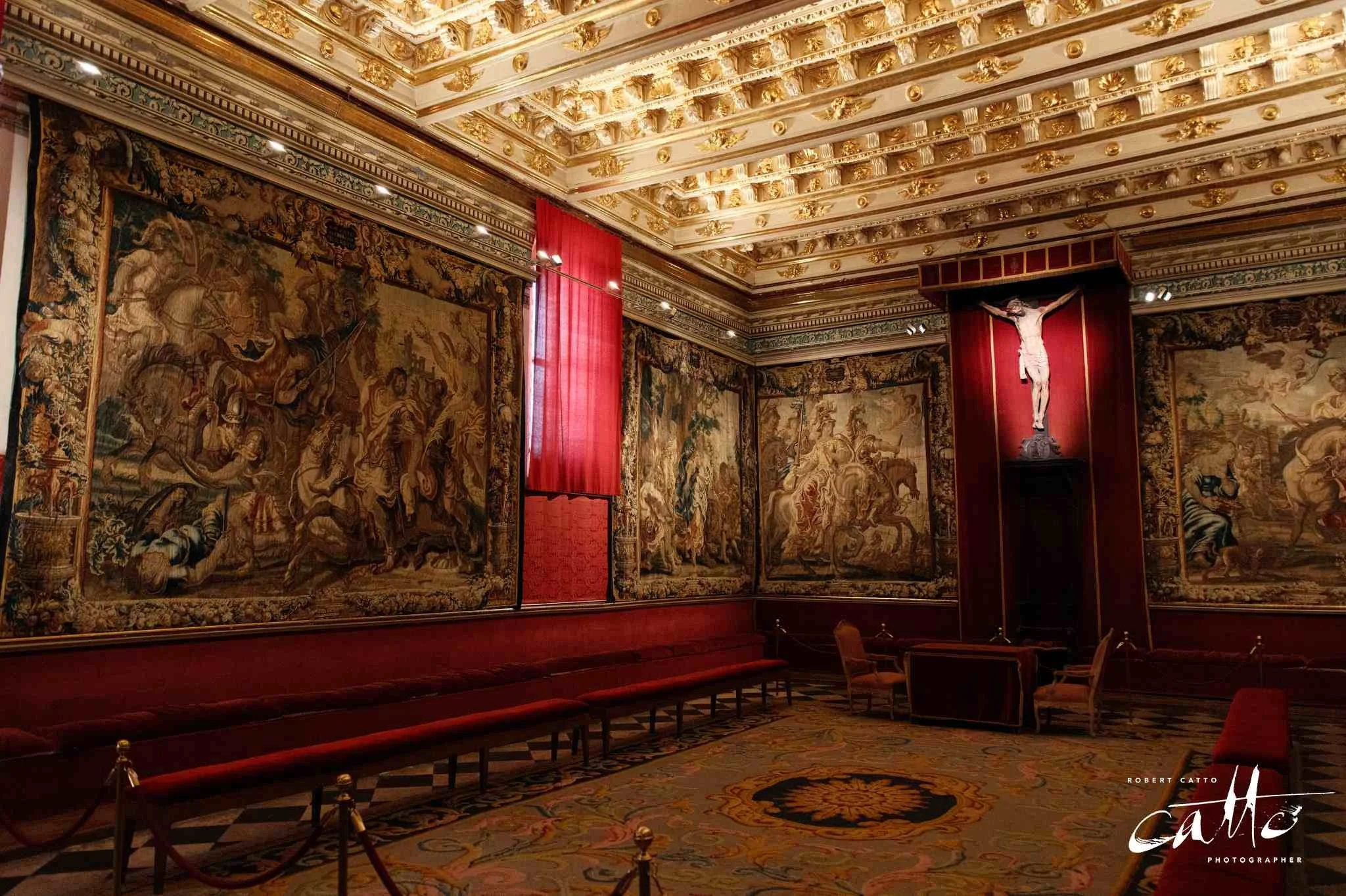

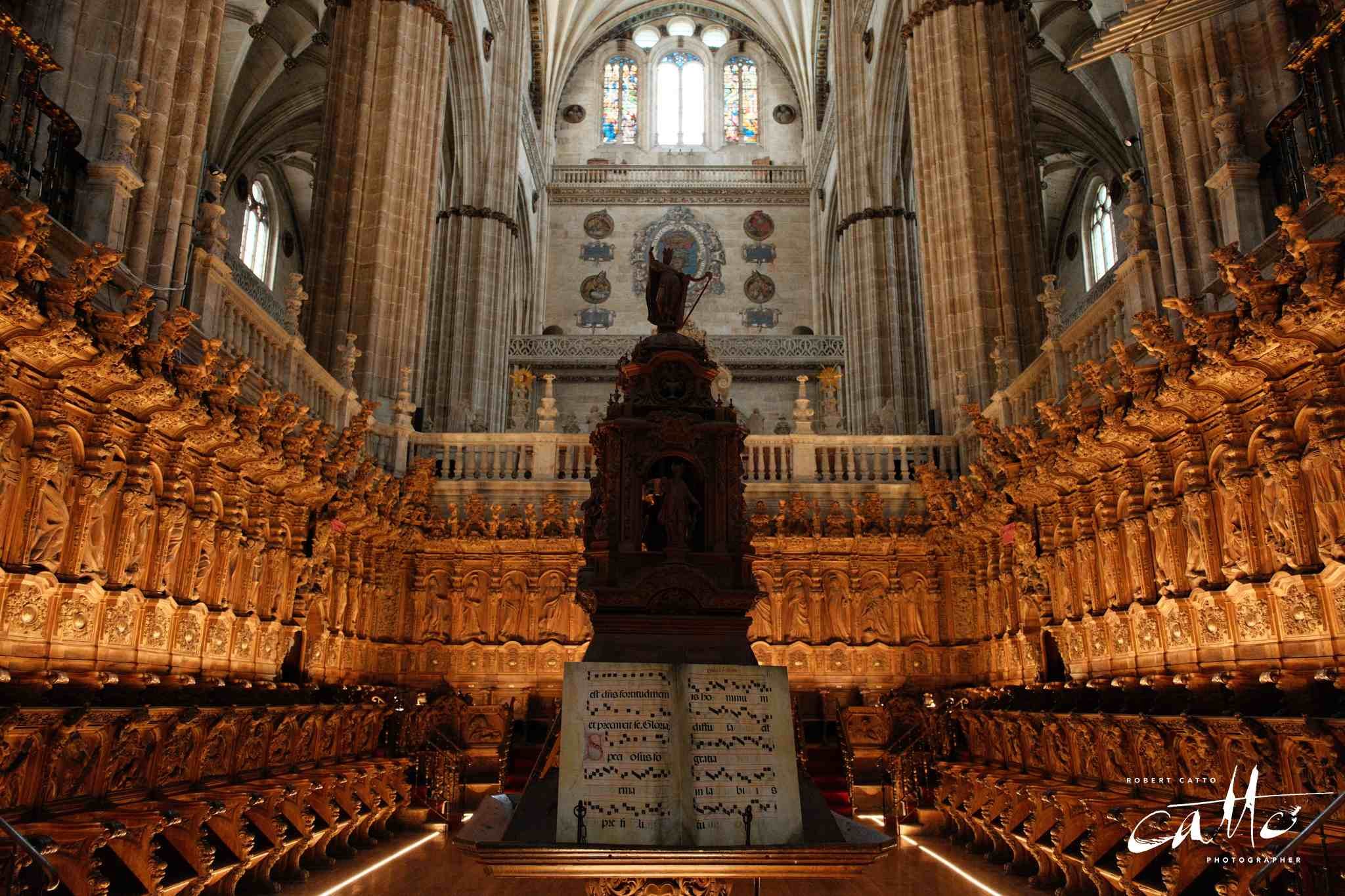



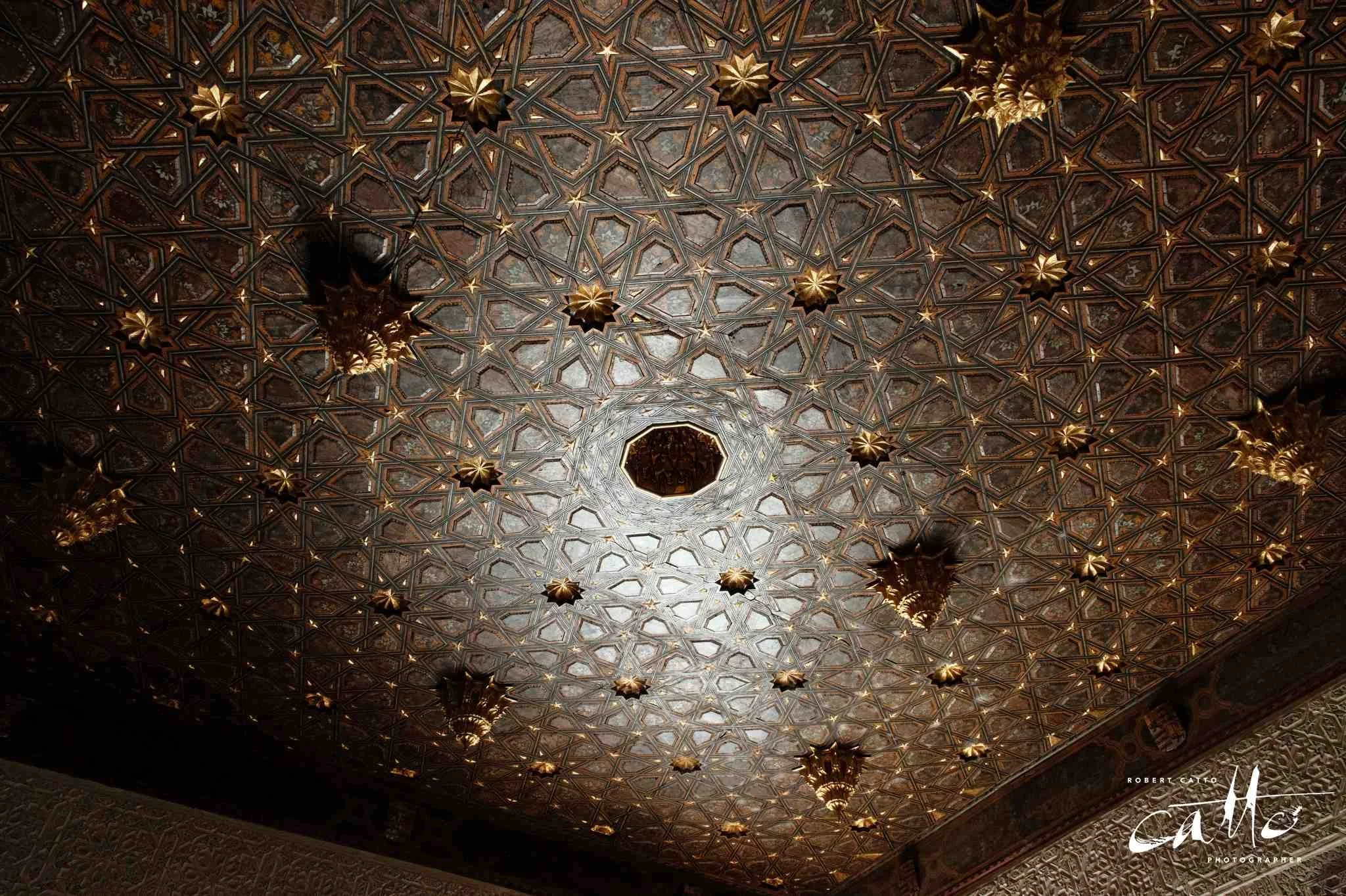
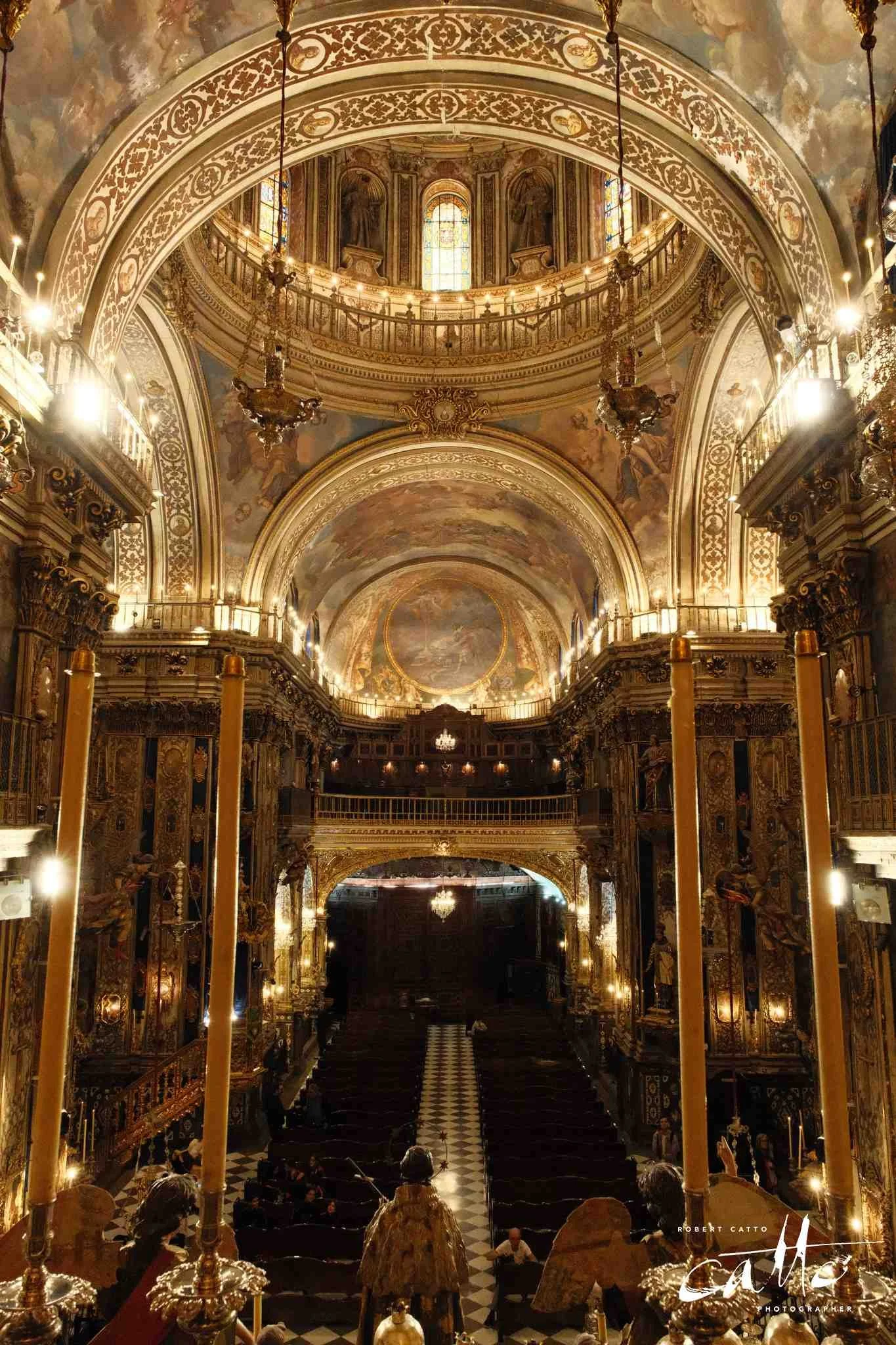
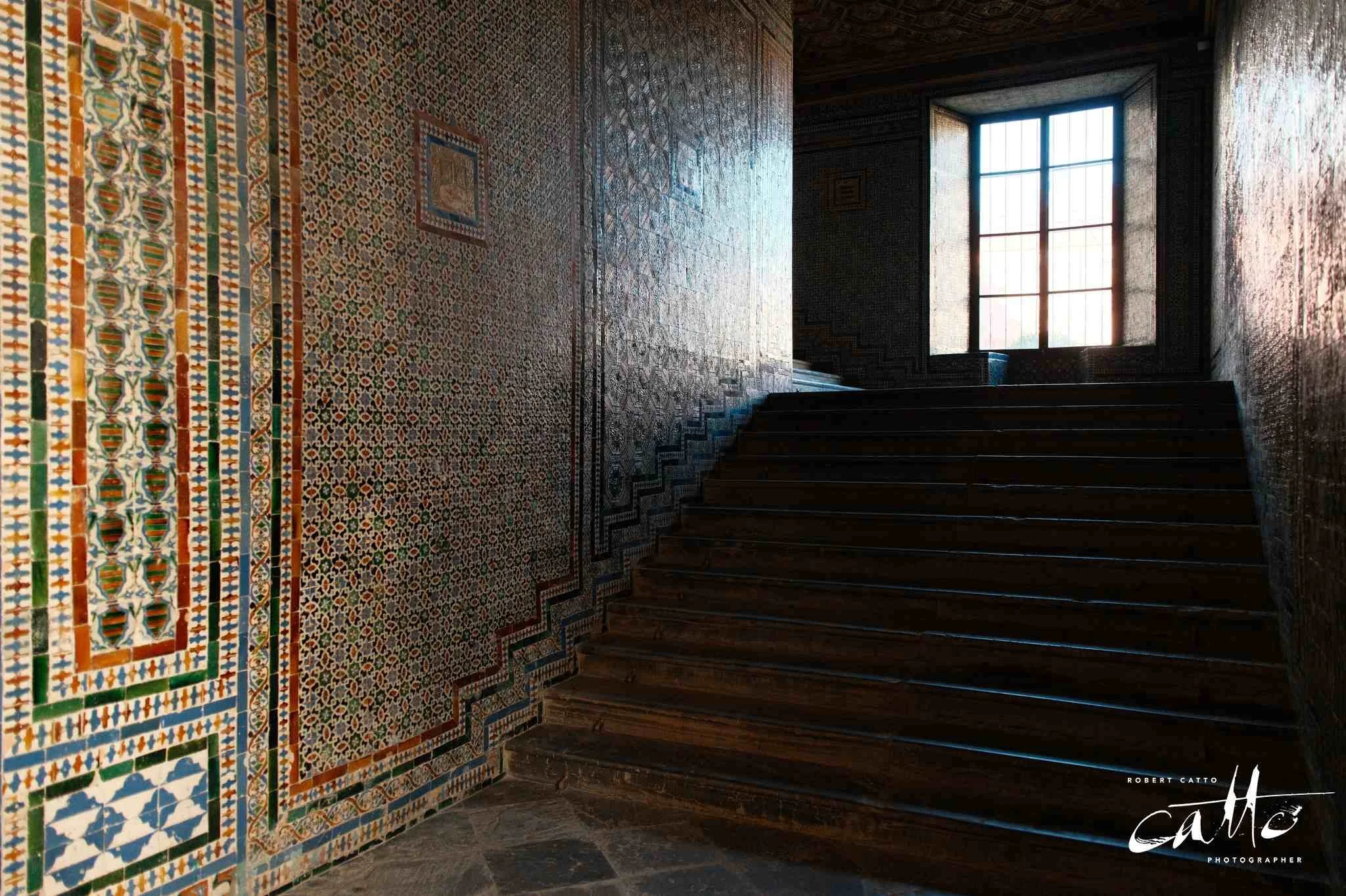
So, to conclude—I’m really happy with the Sigma 17-40mm; I think it’ll stay in my camera bag for both work (i.e. theatre production photography) and travel; though I might keep my primes a little longer just to be sure. They’re useful at times when I have a little more control of the subject and camera/lighting placement, in studio and the like.
But if I was building a Fujifilm kit right now, and wanted an all-purpose walk around lens to have at my side most of the time, this would be a strong contender. It’s lightweight, compact, inexpensive, and does a very good job indeed.
Do I still want a GFX100RF? I mean, it’s a beautiful camera with incredible image quality, of course I want one! Do I have to choose!? (Maybe Sigma could come out with a fast zoom for the GFX system…?)
I think I would like it more if there were lens adaptors available, like there are for the X100 series, that would give you the option of a wider or longer lens. In fairness I found the X100 adaptors a pain to use (having to remove the lens hood and ring, screw on the adaptor, and try not to drop anything in that process); but I think a 50-65mm f/4 lens on that very portable camera body would be a much more attractive prospect, to me at least, and I’d probably leave it mounted on the camera most of the time.
Of course most of the photos here were taken at 17mm! So maybe that’s nonsense, and I’d use the wider angle of the existing lens most of the time. But it’d make the system more appealing, to me, having that option available when I needed it.
But in the meantime, I’ve got the X-H2 and the Sigma—and that’s really no bad thing, is it…?
Specs & Stats from the Sigma website:
Lens construction:1 7 elements in 11 groups (4 SLD, 4 aspherical elements)
Angle of View: 79.7-39.1°
Number of Diaphragm Blades: 11 (Rounded Diaphragm)
Minimum Aperture: F16
Minimum Focusing Distance: 28cm / 11.1in.
Maximum Magnification Ratio: 1:4.8 at f=40mm
Filter Size: φ67mm
Maximum Diameter x Length: φ72.9mm x 115.9mm / φ2.9in. x 4.6in.
Weight: 535g / 18.9oz.